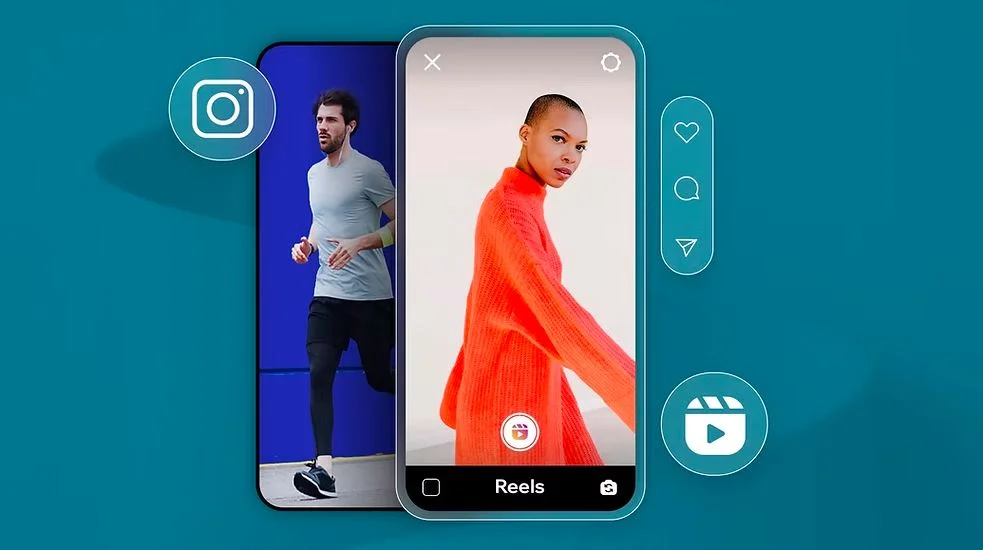
How to Edit Reels Faster in CapCut and Avoid Mistakes on Phone
Creating engaging Reels on platforms like Instagram, TikTok, and Facebook requires both creativity and speed. With millions of creators competing for attention, being able to produce high-quality content efficiently is essential. Mobile editing apps like CapCut have made video editing accessible to everyone, but many users still struggle with slow workflows or common mistakes that waste time.
This guide provides detailed, practical strategies for editing Reels faster in CapCut and highlights common errors to avoid while editing on a phone. By following these tips, you can improve your editing speed, maintain a professional standard, and consistently deliver content that captivates your audience.
How to Edit Reels Faster in CapCut 2026
Editing faster doesn’t mean cutting corners. It means working smart and efficiently while maintaining quality. Here are strategies that can help you streamline your workflow in CapCut.
1. Plan Your Reel Before Editing
One of the most overlooked steps in mobile video editing is pre-planning. Jumping straight into CapCut without a clear plan leads to unnecessary trial and error.
Before you start editing, consider the following:
-
Storyline or message: Decide what you want your Reel to convey. Are you creating a tutorial, a motivational clip, or a funny skit?
-
Audio selection: Choose the music or voiceover before you import your clips. This allows you to sync clips to the beat or key moments.
-
Clips and shots: Organize your footage chronologically and remove unusable clips in advance.
-
Transitions and effects: Decide which parts of your Reel need attention-grabbing transitions, text, or effects.
A simple storyboard, even a rough one, can save hours of editing time and prevent mistakes like misaligned transitions or off-beat cuts.
2. Use Templates and Presets
CapCut offers pre-designed templates that include transitions, effects, and text animations. Using these templates can drastically reduce editing time:
-
Select a template that matches your style. For example, fast-paced templates work well for dance videos, while smooth cinematic templates suit travel or lifestyle content.
-
Replace placeholder clips with your own content without manually recreating effects.
-
Customize colors, text, or timing to match your unique style.
By leveraging templates, you focus more on creative storytelling rather than technical adjustments.
3. Leverage Keyframes for Smooth Edits
Keyframes allow you to animate clips, text, stickers, or effects with precision. Instead of manually adjusting movement frame by frame, keyframes handle transitions between positions or properties automatically.
Practical tips:
-
Set start and end points for an object’s position, scale, or opacity.
-
Use keyframes for smooth zoom-ins, pan shots, or motion graphics.
-
Combine multiple keyframes for complex animations like moving text across a clip while fading out music.
This technique not only improves speed but gives your Reels a professional look.
4. Master Multi-Layer CapCut Editing
CapCut supports multiple layers for video, audio, stickers, text, and effects. Efficient layer management saves time:
-
Place your main video clip on the base layer.
-
Add audio, music, or voiceovers on separate layers.
-
Keep text, captions, or stickers on top layers to adjust independently.
Well-organized layers prevent errors like misaligned text, overlapping effects, or audio clips playing incorrectly.
5. Use Split, Copy, and Paste Strategically
Editing efficiency comes from reusing elements rather than recreating them:
-
Split clips exactly where transitions, effects, or cuts are needed.
-
Copy and paste text styles or effects across similar clips instead of manually applying them.
-
Use CapCut’s multi-select feature to apply adjustments to multiple clips at once.
This reduces repetitive work, ensures consistency, and accelerates your editing workflow.
6. Optimize Export Settings
Even with fast editing, slow exports can be frustrating. Optimize CapCut’s export settings for speed and quality:
-
Choose the platform-specific resolution. For Instagram Reels or TikTok, 1080p is sufficient; avoid unnecessarily high resolutions that slow down export.
-
Enable Smart Export or hardware acceleration if available.
-
Organize project files and remove unused media to prevent lag or app crashes.
A smooth export process ensures your time spent editing is not wasted.
Common Mistakes to Avoid When Editing on Phone
Editing on a mobile device is convenient but has limitations. Avoiding these common mistakes will save time and improve video quality.
1. Not Organizing Clips Before Editing
Starting without organizing your clips is a common mistake:
-
Leads to confusion on the timeline
-
Increases time spent looking for the right clip
-
Causes repeated mistakes or missing shots
Organize clips into folders, name them clearly, and remove unusable footage before importing into CapCut. This small step drastically improves efficiency.
2. Overusing Effects and Transitions
While effects enhance creativity, overusing them can hurt your Reel:
-
Too many flashy transitions can distract viewers.
-
Layering multiple animations slows down both editing and app performance.
-
Some effects might not render well on older devices, causing lag.
Focus on key effects that enhance storytelling, not just decoration.
3. Ignoring Audio Synchronization
Audio is the backbone of engaging Reels. Common mistakes include:
-
Clips not aligned with music beats
-
Volume inconsistencies between clips
-
Using copyrighted audio that could mute your video
Tips for perfect audio alignment:
-
Use beat markers in CapCut to sync video cuts
-
Adjust clip speed to match the rhythm
-
Normalize audio volume across all clips
4. Not Saving or Backing Up Projects
Mobile apps can crash unexpectedly, and losing hours of work is a nightmare. Avoid this by:
-
Saving progress frequently
-
Exporting a draft version to check before final export
-
Using cloud storage to back up your projects
Regular backups prevent loss and reduce stress during editing.
5. Editing Without Considering Platform Requirements
Every platform has specific requirements:
-
Instagram Reels: vertical format, 15–90 seconds
-
TikTok: vertical, high-quality sound, clear text placement
-
Facebook Stories: shorter, concise clips
Ignoring these can result in poor-quality uploads or even removed content. Always preview your video on the intended platform before publishing.
6. Skipping Review and Final Adjustments
Even small mistakes can impact viewer experience:
-
Misspelled text or inconsistent fonts
-
Misaligned graphics
-
Background noise or abrupt audio cuts
Take time to watch the full Reel before exporting. A final review ensures a polished result.
Conclusion
Editing Reels on your phone can be both fast and professional when you adopt the right strategies. By planning ahead, using CapCut templates and keyframes, organizing layers, and avoiding common mistakes, you can save time and produce Reels that attract attention.
Efficiency in mobile editing is a skill that grows with practice. Combining speed with attention to detail ensures your Reels stand out in a crowded digital space and keep your audience engaged.
By mastering these techniques, every creator can elevate their content, post consistently, and fully leverage the power of CapCut for Reels.